The Dawn of Conscious Opulence: Sustainable Luxury Furniture Brands in 2025
The year 2025 marks a pivotal moment in the evolution of luxury. No longer merely defined by exclusivity, craftsmanship, and exorbitant price tags, true luxury is increasingly synonymous with responsibility, transparency, and a profound respect for the planet and its people. This paradigm shift is particularly evident in the furniture industry, where discerning consumers are demanding not just beauty and durability, but also a demonstrable commitment to sustainability. Sustainable luxury furniture brands in 2025 are not just adapting to this demand; they are leading the charge, redefining opulence through innovation, ethical practices, and timeless design.
A New Definition of Luxury: Beyond Extravagance
For decades, luxury was often associated with excess, rare materials acquired without question, and a disregard for environmental impact. However, the escalating climate crisis, growing consumer awareness, and a collective societal push towards more responsible consumption have fundamentally altered this perception. In 2025, sustainable luxury furniture brands understand that genuine value resides in products that tell a story of integrity – from the origin of their materials to the hands that craft them, and finally, to their end-of-life cycle.
This new definition embraces several core tenets:
- Environmental Stewardship: Minimizing ecological footprint through responsible sourcing, energy-efficient production, waste reduction, and carbon neutrality.
- Social Equity: Ensuring fair labor practices, safe working conditions, community engagement, and transparent supply chains.
- Longevity and Timelessness: Crafting pieces designed to last generations, reducing the cycle of consumption and waste, and transcending fleeting trends.
- Transparency: Providing clear, verifiable information about materials, processes, and ethical commitments.
- Innovation: Developing new sustainable materials, production techniques, and business models that push the boundaries of eco-conscious design.
The Pillars of Sustainable Luxury Furniture in 2025
By 2025, leading sustainable luxury furniture brands are integrating these principles across every facet of their operations.
1. Material Revolution: From Scarce to Sustainable
The foundation of any piece of furniture lies in its materials, and this is where the most significant transformations are occurring.
- Reclaimed and Upcycled Materials: Old-growth timber from deconstructed buildings, salvaged metals, and upcycled textiles are no longer niche; they are central to luxury collections. Brands are celebrating the unique character and history imbued in these materials, transforming them into bespoke pieces that tell a compelling narrative of renewal. The art of sourcing and transforming these materials has become a highly specialized skill, adding to the perceived value and exclusivity.
- Responsibly Sourced Virgin Materials: For new materials, certifications like the Forest Stewardship Council (FSC) for timber are non-negotiable. Beyond this, brands are delving deeper into the supply chain, ensuring that even materials like leather are sourced from tanneries with closed-loop water systems and ethical animal welfare practices, or exploring plant-based alternatives that mimic leather’s luxurious feel.
- Innovative Bio-Based and Regenerative Materials: Mycelium (mushroom-based), bamboo, cork, recycled ocean plastics, and even materials derived from agricultural waste are moving from experimental to mainstream in luxury applications. These materials offer unique textures, unparalleled sustainability credentials, and open new avenues for design. Brands are investing heavily in R&D to develop materials that are not only sustainable but also possess the strength, durability, and aesthetic appeal demanded by the luxury market.
- Low VOCs and Non-Toxic Finishes: The health of both the craftsman and the end-user is paramount. Brands are exclusively using water-based, natural oil, or low-VOC (Volatile Organic Compound) finishes, adhesives, and dyes, ensuring that furniture contributes to a healthy indoor environment rather than detracting from it.
2. Circular Production and Manufacturing Excellence
Sustainability in 2025 extends far beyond material selection to the very heart of the manufacturing process.
- Closed-Loop Systems: Forward-thinking brands are implementing closed-loop manufacturing, where waste from one process becomes input for another. This includes recycling water, capturing and reusing energy, and minimizing offcuts and scraps, which are then repurposed into smaller items or returned to the material stream.
- Renewable Energy Integration: Factories are powered by renewable energy sources, whether through on-site solar panels, wind turbines, or purchasing certified green energy. This significantly reduces the carbon footprint associated with production.
- Craftsmanship and Longevity: Luxury furniture has always been about enduring quality. In 2025, this is amplified. Pieces are designed for disassembly, repair, and eventual re-use or recycling. Joinery techniques are robust, fabrics are chosen for their resilience, and modular designs allow for future adaptation and expansion, ensuring that the furniture truly lasts for generations and can be easily maintained or refurbished.
- Minimized Transportation Footprint: Brands are optimizing their supply chains, seeking local material suppliers where possible, and utilizing efficient logistics to reduce emissions associated with shipping. Flat-pack designs for certain items are being explored not just for cost-efficiency, but for their reduced shipping volume and carbon impact.
3. Ethical Sourcing and Social Responsibility
The human element is as critical as the environmental one. Sustainable luxury brands in 2025 are meticulously scrutinizing their supply chains.
- Fair Labor Practices: This includes fair wages, safe working conditions, reasonable hours, and the prohibition of child labor or forced labor at every stage, from material extraction to final assembly. Audits and certifications from organizations like Fair Trade are becoming standard.
- Community Impact: Brands are actively engaging with and investing in the communities where their materials are sourced and where their products are manufactured. This might involve supporting local artisans, investing in education, or contributing to infrastructure development.
- Artisan Empowerment: Many luxury brands work with highly skilled artisans. Sustainable luxury ensures these traditional crafts are preserved, and artisans are fairly compensated and given creative autonomy, fostering a sense of pride and ownership in the final product.
4. Transparency and Traceability: The Trust Imperative
In an era of increasing skepticism and "greenwashing," transparency is the cornerstone of trust.
- Digital Product Passports: Brands are leveraging blockchain technology and QR codes to provide customers with detailed information about their furniture’s journey. This includes the origin of materials, the specific factory and artisans involved, energy consumption during production, and even estimated carbon footprints.
- Certifications: While internal initiatives are crucial, third-party certifications from reputable organizations (e.g., B Corp, Cradle to Cradle, GREENGUARD) provide independent verification of sustainability claims, offering peace of mind to discerning buyers.
- Storytelling with Integrity: Beyond data, brands are weaving compelling narratives around their products – not just about design inspiration, but about the sustainable journey, the people involved, and the positive impact. This authentic storytelling builds emotional connection and reinforces brand values.
5. Innovation and Design for Circularity
The design process itself is being reimagined to prioritize sustainability.
- Design for Disassembly (DfD): Furniture is engineered so that its components can be easily separated at the end of its life, allowing materials to be recycled or repurposed efficiently, rather than ending up in landfills.
- Modular and Adaptable Design: Pieces are designed to be reconfigured, expanded, or updated, extending their lifespan and adapting to changing needs or tastes. This reduces the need for entirely new purchases.
- "Product as a Service" Models: Some luxury brands are exploring leasing or subscription models, allowing customers to enjoy high-end furniture for a period, with the brand retaining ownership and responsibility for its end-of-life management, thus closing the loop.
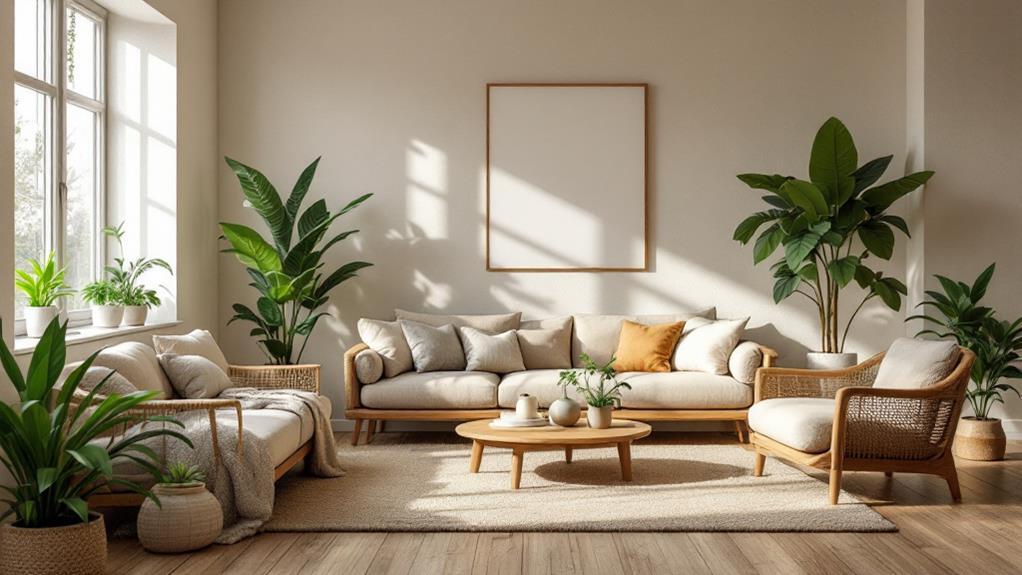
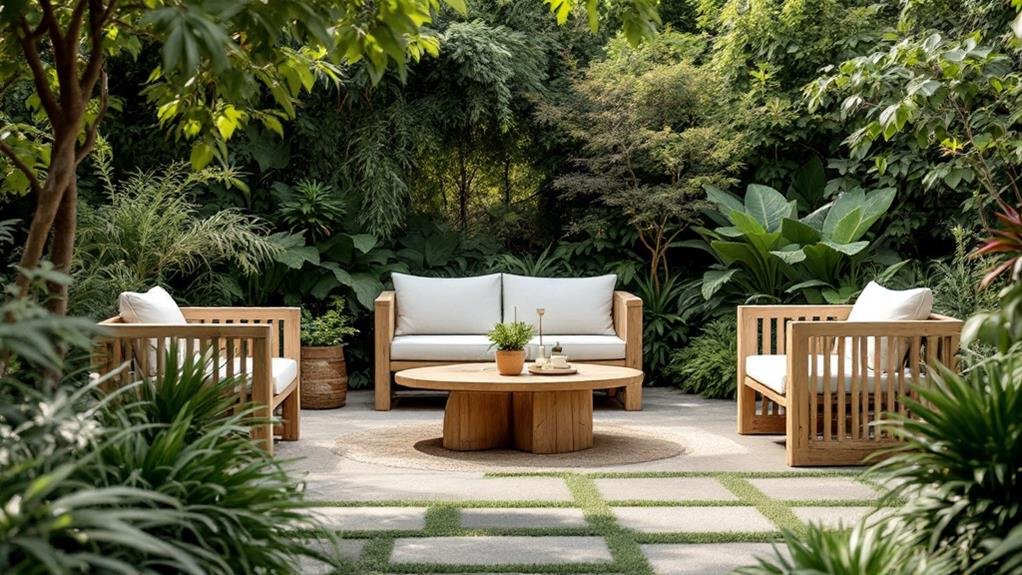
- Biophilic Design: Incorporating elements that connect users with nature, such as natural forms, textures, and materials, enhancing well-being while often using sustainably sourced components.
Key Trends Shaping Sustainable Luxury Furniture in 2025
Beyond the core pillars, several macro-trends are influencing the trajectory of sustainable luxury furniture.
- Hyper-Personalization and Bespoke Creations: The ultimate luxury is often something tailor-made. Sustainable brands are offering extensive customization options, allowing clients to specify materials, finishes, and dimensions, ensuring the piece perfectly fits their needs and reduces the likelihood of future disposal. This also reinforces the idea of furniture as an investment.
- The Rise of Regenerative Practices: Moving beyond merely "doing less harm," brands are exploring how their operations can actively restore and regenerate ecosystems. This could involve supporting reforestation projects linked to timber sourcing or investing in initiatives that improve soil health where raw materials are grown.
- Integration of Smart Technology for Sustainability: IoT devices embedded in furniture could monitor environmental conditions (e.g., air quality) or track usage patterns to inform future design and material choices for greater efficiency and longevity.
- Collaboration Over Competition: Brands are increasingly collaborating with material scientists, waste management experts, and even competitors to share best practices and collectively drive sustainable innovation.
- The "Heirloom Economy": A conscious rejection of fast furniture, with a renewed emphasis on acquiring pieces meant to be passed down through generations. This mindset prioritizes quality, durability, and timeless aesthetics, aligning perfectly with sustainable principles.
Challenges and Opportunities
While the path to fully sustainable luxury is promising, it’s not without its challenges. The higher cost of ethically sourced materials, the complexity of transparent supply chains, and the need for consumer education on the true value of sustainable products remain hurdles. Greenwashing also poses a significant threat, necessitating robust verification and clear communication from genuine brands.
However, the opportunities far outweigh the challenges. Sustainable luxury brands are tapping into a growing market segment of affluent, environmentally conscious consumers. They are building stronger brand loyalty, fostering innovation, attracting top talent, and future-proofing their businesses against increasingly stringent regulations and shifting market demands. By embracing sustainability, these brands are not just selling furniture; they are selling a lifestyle rooted in responsibility, integrity, and a vision for a more harmonious future.
Conclusion: A Legacy of Conscious Craftsmanship
By 2025, sustainable luxury furniture brands are no longer an anomaly but a benchmark for the industry. They embody a profound shift in consumer values and business ethics, proving that opulence and responsibility are not mutually exclusive but deeply intertwined. These brands are crafting more than just beautiful objects; they are creating legacies – pieces that carry the story of their sustainable journey, their ethical production, and their enduring quality.
The future of luxury furniture is vibrant, innovative, and deeply conscious. It’s a future where every exquisite detail, every material choice, and every manufacturing process contributes to a healthier planet and a more equitable society. Sustainable luxury furniture in 2025 represents not just a trend, but a fundamental redefinition of value, inviting us to invest in beauty that endures, both in our homes and in the world around us.